OUR PROCESS
We understand that beginning a project can be daunting. For those who haven’t taken on large scale projects, there can be a lot of unknowns. At Putnam Architects, we believe part of our role is to educate our clients along the way and help shepherd their projects through the various design, regulatory, and construction phases that any project inevitably faces.
Below is a brief outline of the design phases we include in our basic services. Because there are so many moving parts to each project, we created a matrix that shows each party’s role during these design phases.
Schematic Design
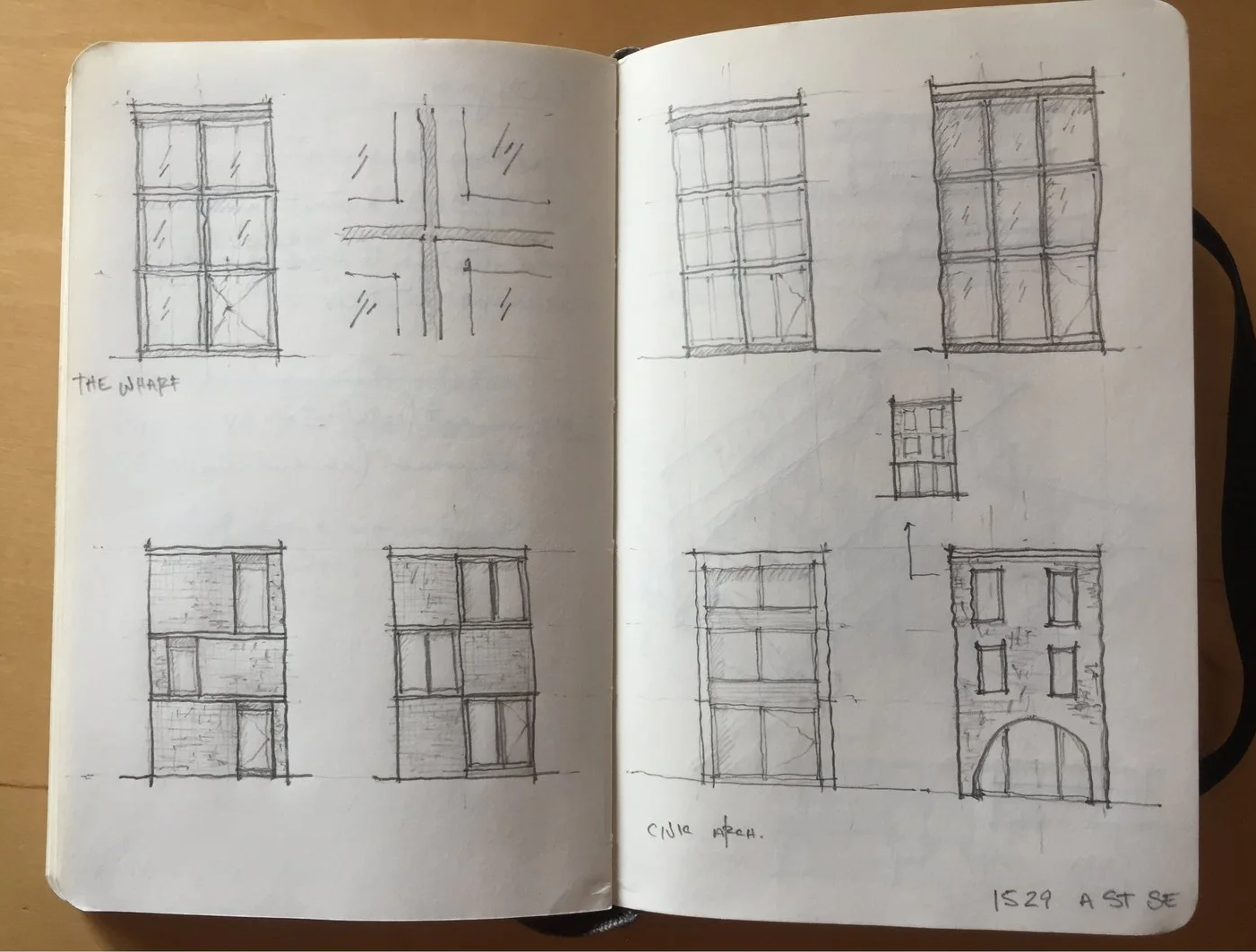
This is the “big picture” design phase where we start looking at initial design concepts for the project. We incorporate practical factors such as climate, orientation, zoning regulations, and historical constraints, if applicable, with your project goals. This process may have several iterations, allowing for exploration and refinement, before a particular design is settled on. Schematic Design is also the phase in which we start to engage with historical, neighborhood, and zoning review agencies, if required.
Depending on the scope of work, deliverables may include plans, elevations, building sections, renderings, or any combination thereof to convey the information needed for our clients to clearly understand the project.
Design Development
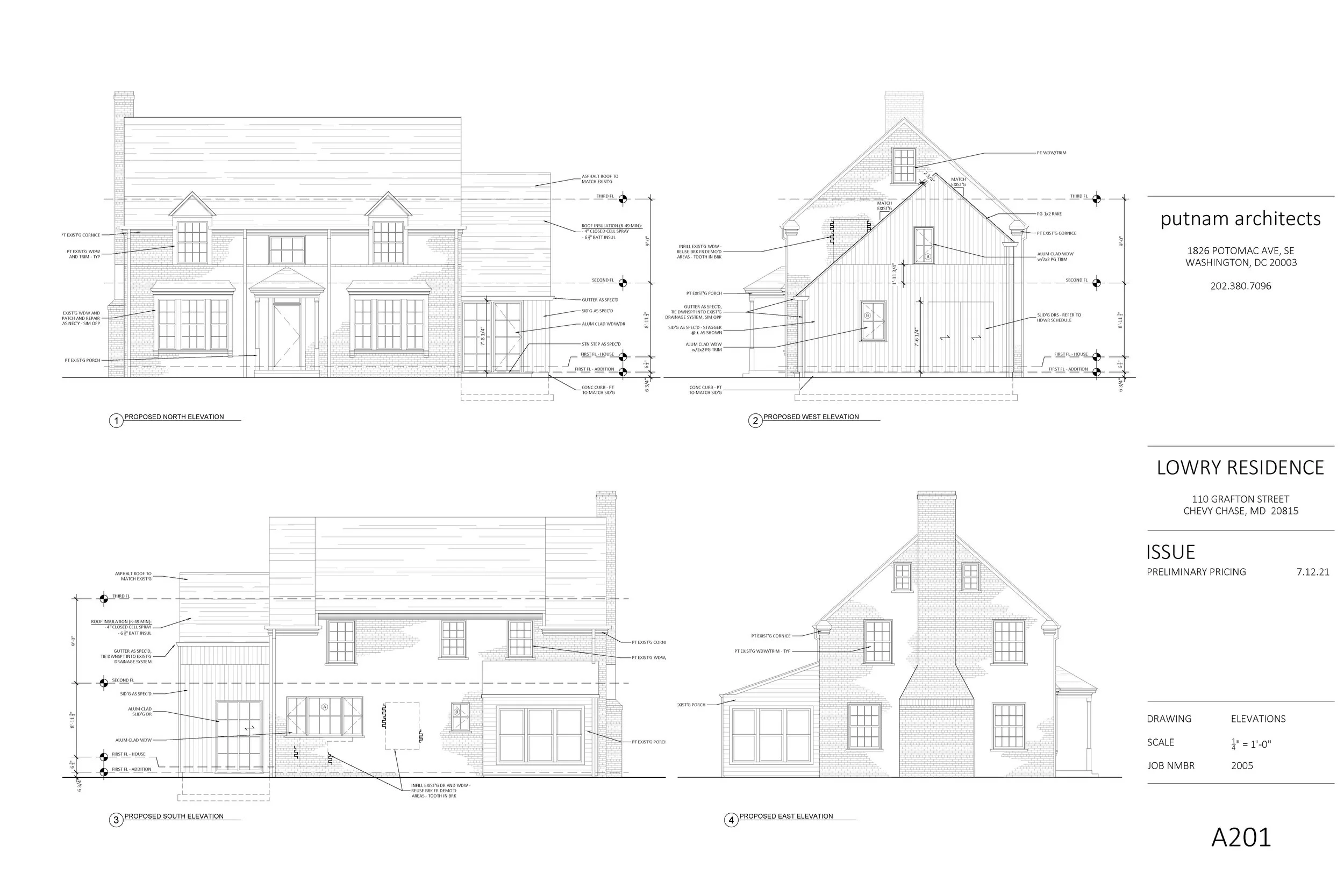
Design Development is where a project starts to take wing. With the agreed upon conceptual design in mind, we start to look at the project on a more detailed level, providing more tangible solutions to the design problems being faced. The kitchen no longer just occupies a room, we start to discuss how it will be used and what makes the most sense for you, the user. Materials are considered, fixtures and finishes begin to be sourced, and the building code is referenced to ensure the health, safety, and welfare of the building’s occupants.
It is also in this phase that we start to engage with engineers and general contractors. Engineers, whether MEP or structural, can help define key building elements that will have an impact on the design and budget. We advise our clients to engage with general contractors during Design Development to get preliminary pricing.
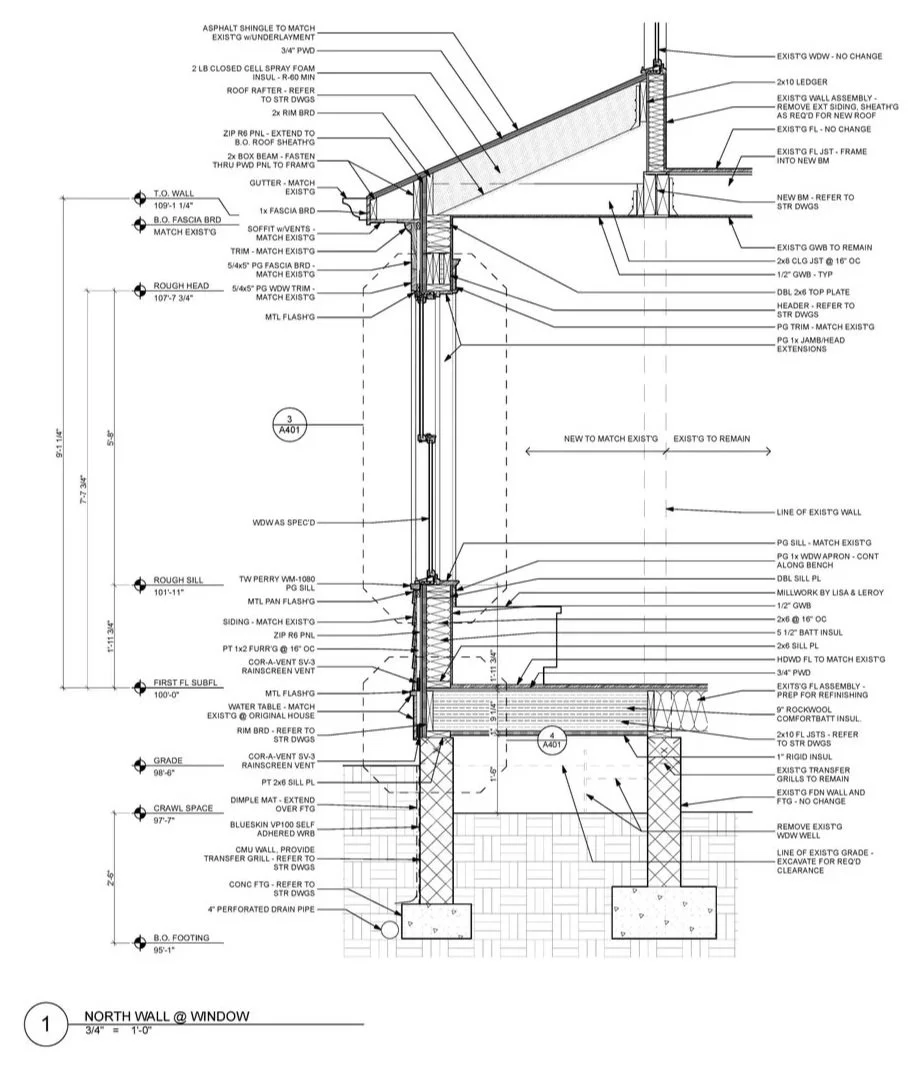
Deliverables include a preliminary pricing set containing material and fixture schedules, specifications, plans, elevations, building sections, wall sections, structural plans, and any critical details necessary for a contractor to accurately price the project. They will also include a permit set addressing any regulatory requirements. Permitting can take anywhere from 1-3 months.
Bid Negotiation
In this phase, the preliminary pricing set created during Design Development is released to general contractors for pricing. Scope will determine the number of contractors bidding on a project, but we typically engage three to account for any outliers. We consistently work with a number of contractors that we can recommend depending on scope and budget. Site meetings are arranged for the contractors to walk the site so they can get a sense of the project. Once their proposals are delivered, the client will have a chance to sit down with the contractors to discuss their bid with them. Selecting a contractor is not just about the cost of construction, though. Project schedule, and most importantly, your initial feeling will play a large part in who you select.
Construction Documents
While the project is in permitting, we prepare a Contract Document set that includes detailed drawings, schedules, and specifications outlining the full extent of the project to the selected contractor. This comprehensive set of drawings will be the basis for the Owner-Contractor agreement. It will include all the information included in the permit set plus any information necessary to build the project.
Construction Contract Administration
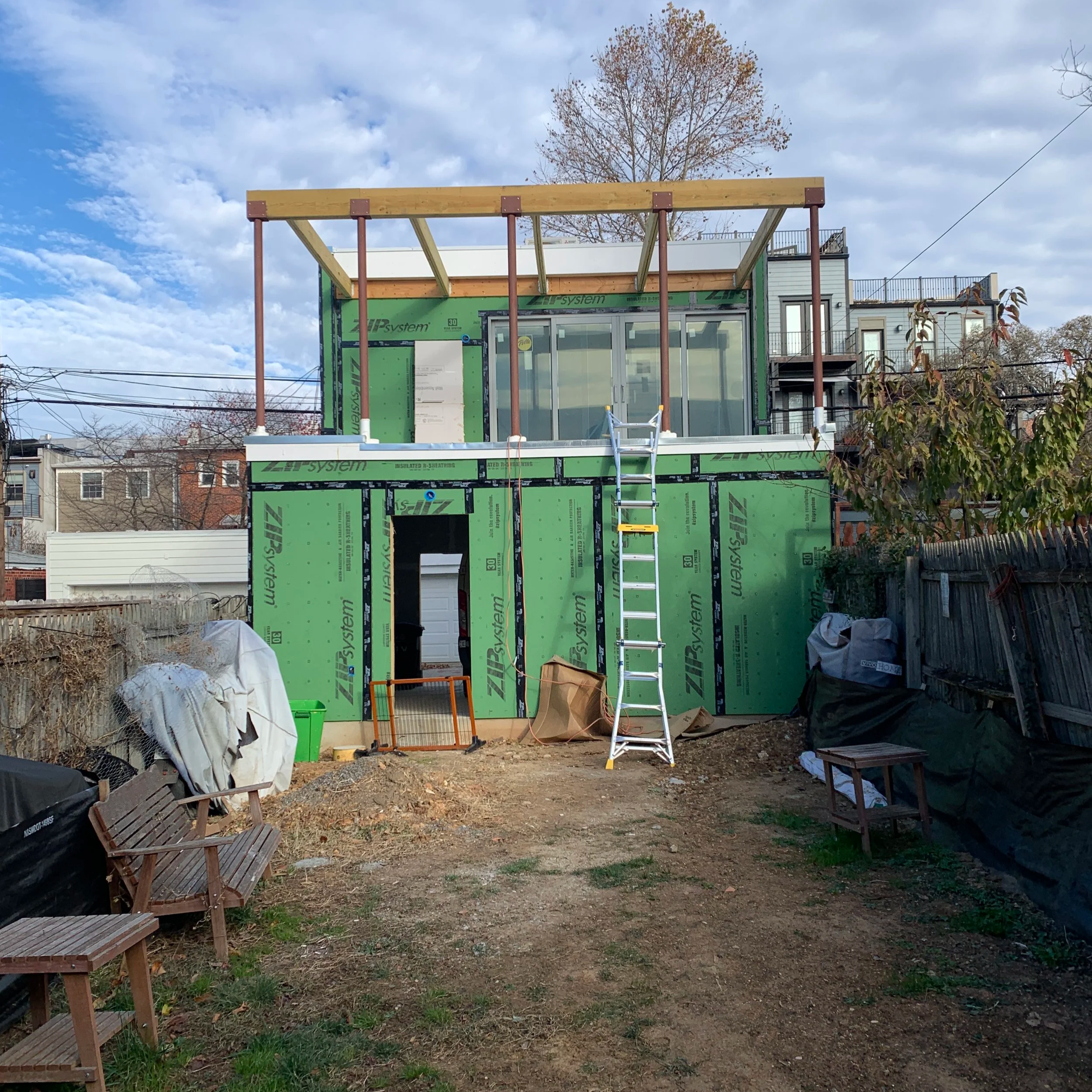
Construction can last months, and the key to a successful build requires cooperation between the owner, architect and contractor. It is important to remember that no set of construction drawings is all inclusive and there will be gaps between the design intent and the realities of construction.
The contractor is responsible for building the work according to the construction documents. The owner is responsible for being engaged to provide input along the way. It is the architect’s role is to ensure the project is built according to the design intent established during the Contract Documents phase. Regular site meetings will start for us to observe the work and discuss any issues the contractor foresees as work progresses.